Tuesday, October 26, 2010

Indian Hospital Accreditation Programme Goes Global

India’s national hospital accreditation programme- National Accreditation Board for Hospital (NABH), run and managed by the Quality Council of India, is going global. 55 hospitals of India have formally received NABH accreditation while another 365 have applied for it. Accreditation remains a voluntary process in India.
NABH will begin in the Philippines and plans to extend into Bangladesh and Nepal by the end of 2010, and into Sri Lanka in 2011. Future plans are to extend into Middle Eastern countries, starting off with the state of Dubai. NABH also sees African countries such as Kenya and Nigeria as logical future destinations, as Indian hospital chains see great potential in Africa. NABH has set up a separate division to look after its overseas operation, National Accreditation Board for Hospitals and Healthcare Providers (NABH) International.
The driver to service international hospitals is the expansion of large Indian hospital groups into subsidiaries or joint ventures in an increasing number of countries globally. Girdhar Gyani of NABH explains, "The vision to go global has been there for a while but the opportunity arose when hospital managements which already have NABH accreditation in India started demanding accreditation for their overseas hospitals as well. We are ready for competition from the American, Canadian and other international accreditation agencies which are already present in the targeted countries."
Hospitals have been complaining that international accreditors in a competitive market are too expensive and inflexible on costs. NABH say that a three-year accreditation from JCI in the Philippines costs close to $46,000, while a comparable NABH accreditation costs a little over half that amount. Although initially aimed at hospitals and clinics, NABH International will also offer accreditation to spas and wellness centres.
Through its exclusive Philippine representative, HealthCORE, NABH International has been launched to improve conditions, systems, processes, and skills of hospitals and professionals in the country. Dr. Sanjiv Malik of NABH says, "Accreditation is a practical solution to one of the main issues in medical tourism, which is quality and safety assurance. NABH International allows hospitals to build credibility and confidence, which generates recognition among foreign patients, thereby promoting medical tourism." The Department of Tourism (DoT) believes that accreditation is the key for medical tourism to truly flourish in the Philippines, as it will recognize the Filipino healthcare providers to be at par with world-class standards.
NABH International’s accreditation process entails onsite visits to assess if standards on access, care of patients, management of medication, patient rights, and infection control are met. Standards on continuous quality improvement, good governance, facility safety, human resources, and information management system are evaluated by highly qualified and well-trained assessors who are doctors, healthcare administrators, or nursing supervisors.

Sunday, September 19, 2010

IVF – Treating IVF Failure


One of the most frustrating problems in infertility today is IVF failure - also called implantation failure. This refers to infertile patients who have undergone many IVF cycles and produced beautiful embryos - but the embryos have consistently failed to implant for unexplained reasons. 13-SM42648
Many patients who fail an IVF cycle often give up. Not only are they disappointed, they are also upset about the fact that their doctor does not usually give them a clear explanation for why the IVF cycle failed - or what they can do differently the next time, to improve their chances of success. While some stop for financial reasons, others come to the conclusion that they are destined to never have a baby; and admit defeat prematurely.

Hospitals of India partner Clinics/Hospitals pregnancy rates in patients who have failed IVF cycles elsewhere is very high, because we can transfer more embryos in difficult patients (unlike fertility clinics in UK and Australia, where the number of embryos which can be transferred is limited by law). While transferring more embryos does increase the risk of high-order multiple pregnancies, this risk is negligible in difficult patients (for example, the older women or women with previous failed IVF cycles). In our fertility clinic, we customise the number of embryos we transfer for each patient we treat, rather than just blindly follow a guideline (which has been laid down for the general population, without considering each individual's specific problem).

The other common reason for a failed IVF cycle is a poor ovarian response, which means patients get few eggs and few embryos. For these patients, we offer the option of aggressive super ovulation, with high doses of HMG, in order to help them grow more eggs, so we have more embryos to transfer.

For patients with a poor ovarian response, we also offer the option of GIFT - gamete intra fallopian transfer, in which we transfer the eggs and sperm directly into the fallopian tubes by performing a laparoscopy. This has a better pregnancy rate than IVF, because we put the eggs and sperm back where they belong - in the fallopian tubes, rather than in our incubator. ICSI

Sometimes the reason for IVF failure is because the embryo transfer was technically difficult, because of cervical stenosis. This means that the transfer is often traumatic, and is associated with bleeding. For these patients, if their fallopian tubes are open, we prefer doing a fallopian tube transfer ( ZIFT zygote intra fallopian transfer) so that we can bypass the cervix and place the embryos directly in the fallopian tubes. This ensures a very high pregnancy rate.

Another group of patients who often do poorly in other IVF clinics are those who have PCOD. Because many doctors are so worried about the danger of OHSS (ovarian hyper stimulation) in these patients, they often end up super ovulating these patients badly, and retrieve few poor quality eggs, compromising the pregnancy rate. In our fertility clinic, we prevent OHSS by carefully aspirating each and every follicle at the time of egg retrieval , and flushing it repeatedly with a double-lumen needle, until it collapses completely. By removing the follicular cells which are responsible for producing VEGF and causing OHSS, we have been able to prevent OHSS in PCOD patients very successfully in our fertility clinics/hospitals by using this novel technique.

Successful embryo implantation depends upon the health of the embryo, and one of the reasons embryos may fail to implant is that they may be chromosomally abnormal (even though they look normal). Research has shown that the incidence of chromosomal abnormalities even in good looking embryos is as high as 50% !

We can also offer the following advanced technique to help patients who have failed multiple cycles of IVF.

After In Vitro fertilization, which is performed in the normal fashion, we perform an embryo biopsy on Day 3, using a laser, and study the genetic composition of each embryo. This allows to select only the chromosomally normal embryos. The normal embryos are then transferred into the uterus on Day 5, when they are blastocysts.

This combined technique offers many advantages, especially for older women, who are more likely to produce abnormal embryos.

1. It allows us to select the chromosomally normal embryos. Not only does this increase the chances of embryo implantation, it also means the risk of a genetically abnormal baby is reduced.
2. We drill the zona with a laser. This allows us to facilitate embryo hatching , thus increasing the chances of embryo implantation.
3. Since we are transferring blastcysts on Day 5, the synchronisation between embryo and the endomterium is increased, thus enhancing implantation.
4. Since we can transfer fewer embryos ( each embryo now has a higher chance of becoming a baby ), the risk of multiple pregnancies is also reduced.
Fertility Mother Baby

Since this technique is very labour-intensive and technologically demanding, the cost is more than that of a regular IVF cycle. However, for patients who have failed 2 IVF cycles, and are not happy about the idea of repeating another similar IVF cycle again; and for older patients, this advanced option can be very cost-effective.

Thursday, September 16, 2010

Artificial Corneas Restore Sight for the First Time

Lab grown artificial corneas have been transplanted into patients' eyes for the first time, offering hope to millions of partially sighted people.
The new technique involves growing human tissue or collagen in the lab and then shaping it, using a contact lens mould.
Damaged and scarred tissue from the front of the eye is then removed and the "biosynthetic" replacement is stitched in its place, reports the Telegraph.
Ultimately, existing cells and nerves in the eye grow over the artificial cornea, incorporating it fully into the eye.
Globally, diseases that lead to clouding of the cornea affect more than 10 million people, making them the most common cause of blindness.
The first trials of the operation have shown that it is just as successful as live tissue transplantation and in some cases patients have had their sight fully restored.
May Griffiths, of Linköping University, Sweden, who led the study, said: "We were very excited by the results. The study is the first to show that an artificially fabricated cornea can integrate with the human eye and stimulate regeneration."
"With further research, this approach could help restore sight to millions of people who are waiting for a donated human cornea for transplantation," Griffiths added.
The cornea is a vulnerable shield or lens protecting the eye and plays a key role in creating vision.
Patients did not experience any rejection reaction or require long-term immune suppression, which are serious side-effects associated with the use of human donor tissue.
The bio-synthetic corneas also became sensitive to touch and began producing normal tears to keep the eye oxygenated.


Friday, August 27, 2010

Procedures at Hospitals of India

Dental

Dental

Dental care is an excellent option for the medical tourist in most cases, although certain procedures like braces may be inappropriate based on the repeated visits necessary for adjustments. In most cases though, appointments and lab work can be expedited to meet your time-line, and treatments can easily be combined with sightseeing and a holiday for maximum benefit.

IVF - Fertility

IVF – Fertility

Infertility is defined as the inability to get pregnant after one year of trying and can be caused by many factors, both male and female. It is estimated that one in six couples are affected by infertility, and this number is increasing as some families delay childbirth. Fertility treatment, or infertility treatment, falls into one of three categories: ovulation induction, artificial insemination, or assisted reproduction.

Cosmetic Surgery

Cosmetic Surgery

Cosmetic surgery, also known as plastic surgery or aesthetic surgery, as the name suggests, does not always involve surgical procedures as in the case of Botox injections or lip augmentation. Either way, the aim of cosmetic procedures is to enhance ones appearance towards a personal aesthetic ideal. The number of cosmetic surgeries in North America has increased over 50% in the last few years alone.

Surgery3-150x150

CCSVI (Liberation Treatment)

At Hospitals of India we are always looking to add procedures in our many destinations to give our clients the choices they desire. We are pleased and excited to offer MS – CCSVI Treatment to our ever growing list of procedures.


Orthopaedics

Orthopaedics

Orthopaedics is the branch of medicine dealing with the skeletal system. The work of an orthopaedic surgeon may range from hand reconstruction to full joint replacements such as knees and hips. The orthopaedic surgeon is also skilled at using foreign materials such as pins and screws to hold bones to their proper alignment.


Bariatrics (Weight Loss)

Bariatrics (Weight Loss)

Bariatric medicine is the study and treatment of obesity and the health conditions associated with it. Many health conditions are associated with obesity including type II diabetes, high blood pressure, gout, and heart and breathing disorders, to name a few.


Ophthalmology

Ophthalmology (Eye Surgery)

Ophthalmologists specialize in the medical and surgical treatment of eye disorders, vision measurements for glasses (refraction), eye muscle exercises (orthoptics), and the prevention of blindness and care of the blind.


Other ProceduresOther Procedures

At Hospitals of India we are always looking to add procedures in our many destinations to give our clients the choices they desire. If there is a procedure that you are interested in and you don’t see it here please ask us. There are so many different procedures available it is difficult to have all of them listed. Our network of Hospitals offer pretty much any procedure available. So please let us know how we may help you get the information you desire.

Saturday, August 21, 2010

Hip Resurfacing in India

Birmingham Hip Resurfacing in India 

Categories: Health, News, OrthopedicsBirmingham_Hip_Resurfacing
Tags: Health Care, Medical, Orthopedic Surgery

Is hip resurfacing right for me?  

Hip resurfacing is a surgical procedure designed to conserve more bone than the traditional total hip replacement (THR). It allows most people to return to the activities they once enjoyed prior to experiencing hip problems.

The Birmingham Hip Resurfacing (BHR) System, registered trademark of Smith & Nephew, is the first FDA-approved hip resurfacing system in the U.S., and since its introduction in 1997 the procedure has helped to cure an estimated 60,000 patients worldwide.

“Hip resurfacing allows most people to return to any activities they enjoyed prior to their hip problems.”

What is Birmingham Hip Resurfacing?

bhr_diagram

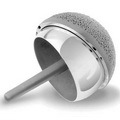
The Birmingham Hip is a two-part system that uses durable high-carbide cobalt chrome to resurface the ball and socket joint.

Unlike the THP – which requires the upper portion of the femur bone be cut off in order to accept the stem of the THP device – the BHR resurfaces the femoral ball with a metal cup. The pelvic socket or acetabulum is also resurfaced to create a metal-on-metal joint.

Smoothing the worn areas of the ball-and-socket joint with the high-carbide cobalt chrome eliminates pain and lets the hip move naturally.

Advantages

The main advantage of hip resurfacing is that the procedure conserves the complete femur bone, preserving the patient’s future option to undergo a THP if needed.

  • Less bone removal
  • Decreased risk of hip dislocation
  • More natural movement
  • Greater range of motion

Disadvantages

The potential disadvantages of hip resurfacing include:

  • Femoral neck fractures (rate of 0-4%)
  • Aseptic loosening
  • Metal wear
  • Metal ions in the blood and urine

Best Candidates for Hip Resurfacing

Simply put, hip resurfacing is intended for younger patients who are not overweight. Ideal candidates including those who:

  • Suffer from osteoarthritis
  • Have strong healthy bones
  • Are Under 60
  • Do not have an infection
  • Are not allergic to the metals used

The surgery is typically more suited to male patients, however females who best match the ideal requirements may be considered.

While hip resurfacing is a great alternative to THP surgery, it’s simply not suitable for everyone. Those who may not be suitable for hip resurfacing include patients who suffer from:

  • Severe bone loss in their femoral head
  • Large femoral neck cysts
  • Femoral head cysts larger than 1cm
  • Rheumatoid arthritis
  • Osteonecrosis (poor blood supply to the femoral head)
  • Obesity
  • Diabetes
  • Impaired kidney function

People who are tall, thin or small boned will also be advised not to undergo the procedure.

To ensure the long-term success of your treatment it’s essential to chose an experienced surgeon and take their advice.

Recovery

In most cases patients return home after 1-4 days. You may begin putting weight on the leg immediately however your doctor may advise using a cane or crutches for the first few days or weeks.

A physiotherapist will give you exercises to help increase your range of motion, and you’ll be required to visit the orthopedic surgeon for regular check-ups.

Most patients resume regular activities after around 6 weeks.

hip-resurfacing-x-ray

X-Ray of Brimingham Hip Resurfacing Surgey

Results

A typical hip resurfacing will last a long time. Studies have shown a 98.4% revision-free survival of the surgery at the five year mark, and a 95% revision-free survival at 10 years – comparable to that of a traditional total hip replacement in the under-60 age group.

Since hip resurfacing was introduced in 1997, many athletes have opted for the procedure and gone on to compete at an international level. They include Ron Noreman 2010 winner of NPC Empire States Bodybuilding Championships and 2006 Tour de France winner Ian MacLaren.

If you are considering Birmingham hip Resurfacing or any orthopedic surgery, visit Hospitals of India to discover an affordable alternative that does not require you to have insurance while also enjoying the benefits of traveling overseas to India. Visit top orthopedic centers at Hospitals of India and have consultations with top board certified orthopedic surgeons, led by famous orthopedic surgeon Dr. Ashok Rajgopal, Chairman, Medanta Institute of Bone & Joint. 

Wednesday, August 18, 2010

Range of Surgical Options for Knee Surgery


Total Knee Replacement

Total Knee Replacement (TKR), also referred to as Total Knee Arthroplasty (TKA), is a surgical procedure where worn, diseased, or damaged surfaces of a knee joint are removed and replaced with artificial surfaces. It is a common surgical procedure most often performed to relieve the pain and disability from degenerative arthritis, meniscus tears, osteoarthritis, cartilage defects, and ligament tears. The most common cause for knee pain which needs Knee Replacement Surgery is osteoarthritis. In Total Knee Replacement, the surgeon removes damaged cartilage and bone from the surface of your knee joint and replaces them with a prosthesis/implant of metal and plastic. Total knee replacement can help put an end to arthritic pain in your knee and enable you to resume a functional and active lifestyle.


Partial Knee Replacement


Most people are aware of the total knee replacement surgery. This involves replacing the unhealthy surface of the entire knee joint with metal and plastic implants. It is a very successful operation with good long term results. However a large percentage of patients have arthritis limited to one part of the joint alone. Replacing the whole joint in these patients is overkill and unnecessary. Many middle aged men and women develop osteoarthritis of the knee. Osteoarthritis of the knee affects the inner half or medial compartment to start with and then proceeds to affect the outer half or lateral compartment. In this operation only that part of the knee, which is unhealthy, is replaced. The normal surfaces are left alone. This operation has several advantages over total knee replacement surgery like small incision, longer life of implant and post operative hospitalization is reduced and return to normal is much faster than total knee replacement surgery.


Simultaneous Bilateral Kn
ee Replacement

A simultaneous procedure means that both knees are replaced at the same surgery, in one day. The benefit of simultaneous knee replacement is that both problems are taken care of at one time. The overall stay and rehabilitation can be done in a shorter time, and there is only one hospitalization. Patients also only require one anaesthesia.


Revision Knee Replacement


Total Knee Replacements that need to be revised after 15-20 years (post primary surgery) are also done here. The most advanced prosthesis and Computer Assisted Surgery (CAS) is also used for Revision Knee Replacements.


Advanced Technology and Latest Implants


Computer Assisted Knee Replacement Surgery

In computer assisted Knee Replacement, the computer guides the surgeon in precisely planning the exact amount and angle of bone to be removed during surgery. This, in conventional method is done by simple eye-balling. This technology helps to perform the surgery through small incision (Minimally Invasive Surgery) with 100% precision, eliminating "Human Error" during surgery and helps in perfectly aligning and balancing of knee joint (with accuracy of 0.5 mm and 0.5 degrees). It also helps in increasing implant longevity (20-30 years).


Gender Specific Knee Surgery


A women's anatomy is clearly different than a man's anatomy. Research shows women and men are different all the way down to their knees. Taking this fact into consideration knee replacement implants have been designed based on an average size of women's and men's knees. Nowadays gender specific implants are extensively used in Knee Replacement Surgery for better results. . A gender-specific Knee implant is a prosthesis that is a great boon for women and specifically designed for their needs. High Flex Rotating knee Platform
The design of the high flex implants closely replicate normal knee. Rotating knee replacement implants can swing backward and forward giving the knee flexibility to move forward and outward. High flexion gives patient the freedom to the extent that the patient can even squat , cross leg and sit on the floor.


Physiotherapy and Rehabilitation


Physiotherapy and Rehabilitation services help the patient to return back to normal activity quickly after the surgery. The network hospitals have highly advanced Physiotherapy Unit and well experienced physiotherapists. Some of the sessions of physiotherapy is included in the package and if the patient wants extra sessions of physiotherapy then it is provided at a nominal cost. In your physical therapy sessions you will walk, using crutches or a walker, bearing as much weight as indicated by your doctor or physical therapist. You will also work on an exercise program designed to strengthen your leg and increase the motion of your knee.

Wednesday, August 4, 2010

Dr Ashok Rajgopal, MS, Mch( Liverpool)

The first Orthopaedic Surgeon in India to perform a bilateral Total Knee Replacement Surgery in 1987.
Appointed Honorary Orthopaedic surgeon to the President of India in 1997.
The first Orthopaedic Surgeon in India to perform a Unicompartmental Minimally Invasive Replacement in 2002.
Designer of the instrumentation used in Minmally Invasive Surgery for Zimmer.
Orthpaedic surgeon to several internationally acclaimed sportsmen like P.Gopichand, Baichung Bhutia, N.Kunjarani Devi etc. all of whom have gone on to win laurels for our country after undergoing surgery for sports related knee and ankle injuries.